For a High-Quality Chimney Inspection Near Jacksonville, Call the Pros at Hudson Chimney
The Chimney Safety Institute of America (CSIA) is one of many national safety organizations that recommends that you have your chimney inspected annually. When inspecting your chimney, the CSIA-certified chimney professionals at Hudson Chimney are searching for many things:
- Oil soot or wood residue – both are flammable substances that can cause blockages
- Moisture or water damage that leads to chimney deterioration
- That your chimney flue is sized properly (as this is the leading cause of severe damage to chimneys and walls)
- Leaves, birds, and any other animals or debris that may be inhibiting proper air flow
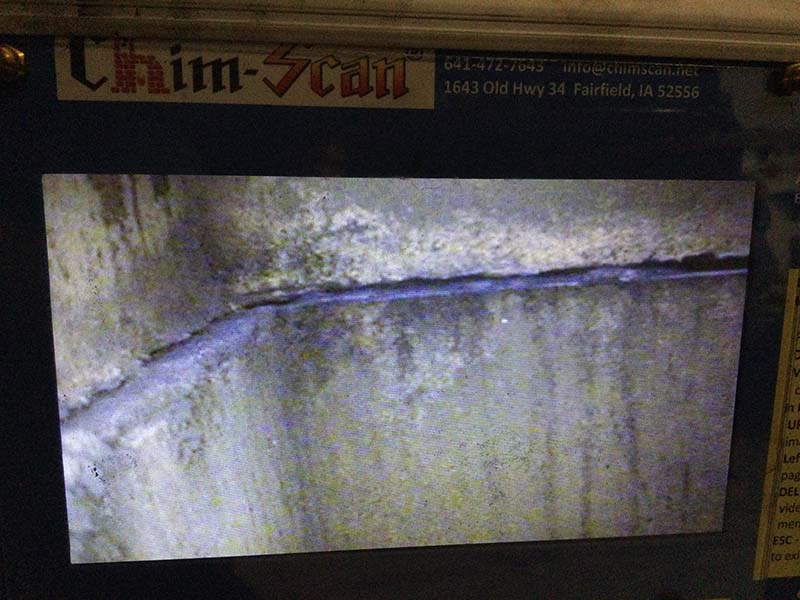
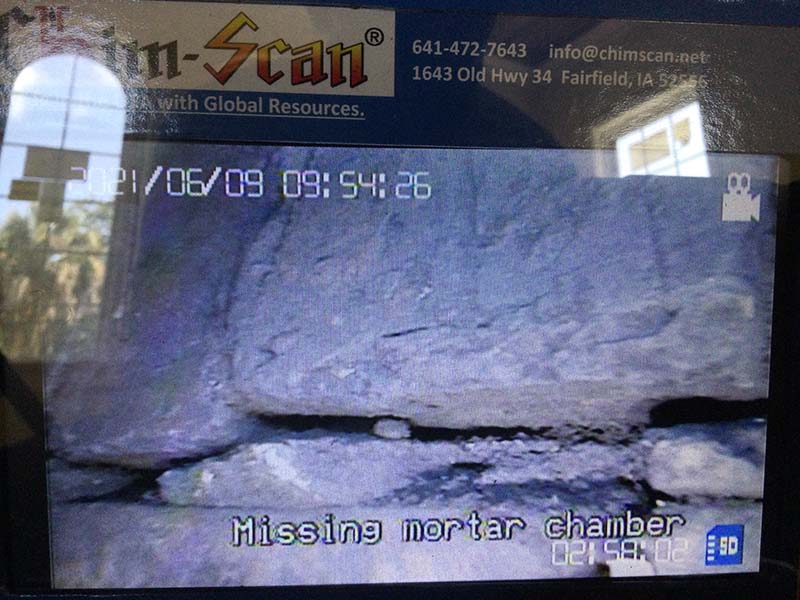
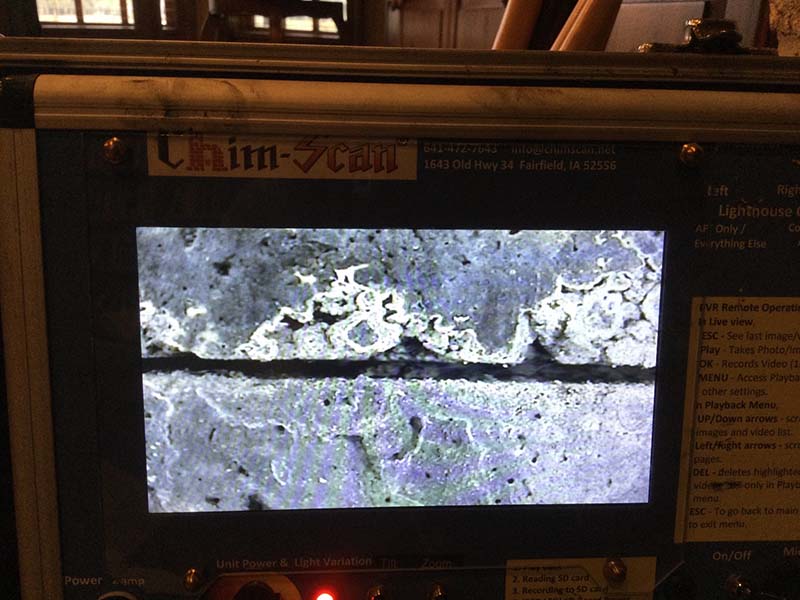
Rather than taking matters into your own hands and searching, “how to inspect a chimney,” trust the team of dedicated and experienced professionals here at Hudson Chimney. That way you can enjoy your appliance without having to worry about any dangers that might be hiding there. And don’t just take our word for it; we are happy to show you photographic and/or video evidence of the condition of your chimney. We proudly use the Chim-Scan camera to conduct our thorough chimney video inspections.
Care to learn more? Ready to schedule? For professional chimney inspections in Jacksonville, Gainesville, Melrose, Fleming Island, Middleburg, Orange Park, Palatka, or anywhere else close by, there is no one better than Hudson Chimney. Get in touch with us through our website, or give us a call at 904-675-1837.
The Facts About Chimneys and House Fires
We get it: life gets busy, and things like scheduling proactive chimney services often falls to the wayside. But, if you have a flame-producing heating appliance and especially if you use it regularly, staying on top of its maintenance can be the difference between life and death.
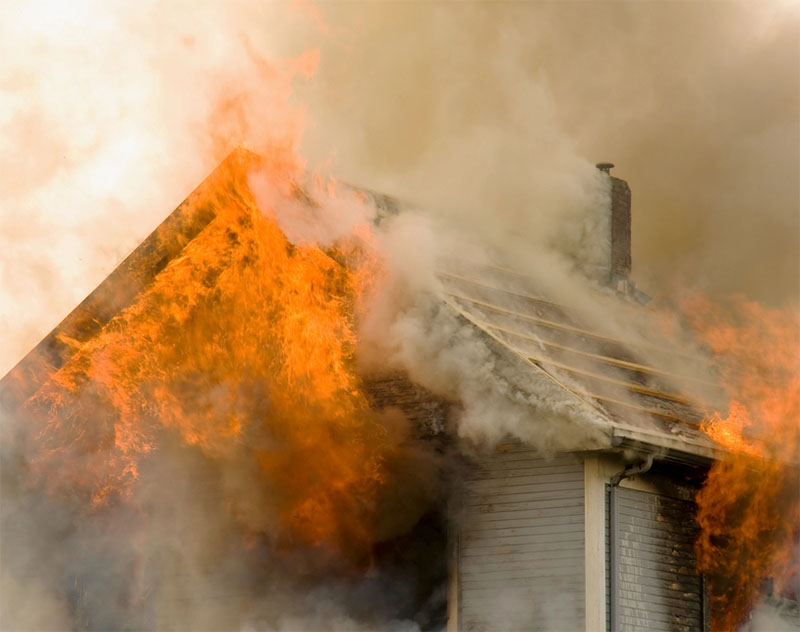
The U.S. Fire Administration’s (USFA’s) National Fire Incident Reporting System collected the following data:
- An average of 50,100 heating fires in residential buildings occur in the U.S. each year, resulting in an annual average of approximately 150 deaths, 575 injuries, and $326 million in property loss.
- Heating is the second leading cause of all residential building fires.
- Residential heating fires peak in the early evening hours between 5 and 9 p.m. with the highest peak between 6 and 8 p.m. This 4-hour period accounts for 30 percent of all residential heating fires.
- Residential heating fires peak in January (21 percent) and decline to the lowest point during the summer months from June to August.
- Confined fires—those fires confined to chimneys, flues or fuel burners—account for 87 percent of residential heating fires.
- 30 percent of the nonconfined residential heating fires occur because the heat source is too close to combustibles.
And while these facts are certainly jarring, most chimney-related devastation is preventable. Establishing a routine care and maintenance plan that includes necessary, annual services like chimney cleanings and inspections can help protect you, your family, and the rest of your home. Schedule your chimney inspection with Hudson Chimney today. To get started, fill out this appointment request form, or give us a call at 904-675-1837.
What Happens During a Chimney Inspection?
Did you know that there are actually three levels of chimney inspection? The National Fire Protection Association (NFPA) adopted these levels into code over a decade ago in order to remove inconsistencies in inspections and streamline the whole inspection process across the industry. All chimney inspections must now be clearly defined as Level 1, Level 2, or Level 3. Fortunately for homeowners in the Jacksonville and Middleburg areas, Hudson Chimney is proud to offer them all.
Your chimney sweep can advise you about which type of inspection your chimney needs, depending on your situation and the status of your fireplace and chimney. Here’s an explanation of the three levels as defined by the NFPA 211:
- Level 1 Inspection: The Level 1 inspection takes a basic look at the condition of your chimney, using only the naked eye to analyze and inspect the various components that make up your system. This inspection is recommended if your appliance and venting system have not changed since the last time you had it serviced and you plan to use your system the same way you always have. During this service, a chimney technician will examine the readily accessible portions of your chimney’s exterior and interior as well as that of the appliance and the chimney connection. We will look for soundness of your chimney structure and flue and make sure that your appliance has been installed and connected correctly. We’ll also verify that your chimney is free of obstructions and combustible deposits.
- Level 2 Inspection: This level of inspection uses the Chim-Scan camera and is required if changes have been made to your chimney. These changes may include switching fuel types, alterations in the shape or material of the flue, or the replacement or addition of an appliance of a dissimilar type, input rating, or efficiency. In a Level 2 inspection, you can expect various parts and pieces to be removed from your chimney system so that the technician can get a better look at what’s going on in those harder-to-reach areas. This is also the chimney scan you’d need to schedule if you just sold or transferred a property, or recently experienced an operation malfunction or an external event like a building or chimney fire, or seismic weather event.
- Level 3 Inspection: When serious hazards are suspected in a Level 1 or 2 inspection, a Level 3 inspection involves an intensive analysis of your chimney. These kinds of inspections require some demolition in order for a technician to physically get inside the chimney walls to check clearances. This inspection includes all the areas and items checked in Level 1 and 2 inspections, but also requires that your chimney’s crown, interior wall, or even parts of your walls and ceiling be removed.
Regardless of the specifics of your service, once we are done, all customers get a written inspection report with our findings and services performed. You will then have the opportunity to schedule another service with us if additional work is requested or required. Just approve the quote, and we’ll be on our way to meeting and exceeding your expectations time and again.
And no worries if you’re not sure which of these three chimney inspections levels is the right one for you – we’re more than happy to chat with you to determine which one to schedule. So, the next time you find yourself going to look up, “how to inspect your chimney,” just call us instead.
Why Do I Need a Chimney Inspection if I Haven’t Used My Fireplace Recently?
This is one of the most common misconceptions among homeowners – the idea that a chimney that hasn’t been used doesn’t need to be inspected. In reality, some of the most serious chimney hazards develop not from use, but from the passage of time and exposure to the elements, particularly in Florida’s warm, humid climate.
1. Moisture damage progresses silently and continuously.
Even without a single fire being lit, your chimney is constantly exposed to rain, humidity, temperature fluctuations, and UV radiation. Over time, these forces cause:
- Cracks and spalling in exterior masonry as water penetrates brick and mortar, expands, and causes progressive deterioration
- Chimney crown cracking and deterioration, which allows water to pour directly into the flue system
- Rust and corrosion of the damper and metal components, which can eventually render the damper inoperable or cause it to fail to seal properly
- Deterioration of the flue liner, particularly clay tile liners, which can crack or collapse as a result of moisture cycling even without the thermal stress of fires
2. Wildlife intrusion is a year-round problem in Florida.
A chimney without a functioning, properly fitted cap is essentially an open access point into your home’s structure. During periods when the fireplace isn’t being used, animals have ample time and opportunity to establish nests, raise young, and deposit significant quantities of debris and waste material inside the flue.
Even if you never intend to use the fireplace, an animal nest in the flue creates a serious carbon monoxide risk from any other gas appliances that may share the chimney, and poses a fire hazard if a fire is lit without inspection.
3. You don’t know what you don’t know.
Hidden cracks in the flue liner, deteriorated mortar joints in the smoke chamber, or a compromised chimney crown may not produce any visible symptoms inside your home until the damage has reached an advanced and expensive stage. An annual inspection ensures that small problems are caught and corrected before they become major structural failures.
4. You may need it sooner than you think.
Florida weather is unpredictable. A cold front can arrive quickly, and the temptation to light the first fire of the season without scheduling a prior inspection is understandable – but genuinely risky. Having your annual inspection completed before cooler weather arrives ensures your fireplace is ready to use safely the moment you want it.
How Long Does a Chimney Inspection Take?
Understanding what to expect on the day of your chimney inspection can help you prepare your home and ensure the process goes as smoothly as possible. While inspection times can vary based on the level of inspection being performed and the complexity of your chimney system, here is a general breakdown:
A Level 1 inspection combined with a standard chimney sweeping typically takes between 45 minutes and 1.5 hours for most residential chimneys.
A Level 2 inspection, which includes video scanning of the flue, typically takes 1.5 to 3 hours, depending on the length and complexity of the flue system and whether cleaning is also being performed. The video scan itself may add 30 to 60 minutes to the appointment, and many certified sweeps will show you the footage in real time or provide a recording for your records.
Should I Get a Chimney Inspection When Buying or Selling a Home?
Whether you are the buyer or the seller in a real estate transaction, a professional chimney inspection is not just strongly recommended – it is essential for protecting your financial and physical safety.
Most general home inspectors are not trained chimney professionals and typically conduct only a very cursory visual assessment that is wholly inadequate for identifying the full range of potential chimney hazards. Issues that a general inspector might completely miss include:
- Cracked or failed flue liners
- Stage 2 or Stage 3 creosote buildup deep in the flue
- Evidence of previous chimney fires
- Collapsed sections of the flue liner
- Improperly installed or oversized appliance connections
Hiring a CSIA-certified chimney sweep to perform a level 2 inspection with video scanning before closing gives you an accurate and complete picture of the chimney’s true condition. This allows you to:
- Negotiate repair credits or price reductions if significant deficiencies are found
- Walk away from a purchase if the chimney damage is extensive enough to represent a financial liability
- Budget accurately for any repairs needed before using the fireplace
- Have documented evidence of the chimney’s condition at the time of purchase for future reference
Have You Scheduled Your Annual Chimney Inspection, Yet? Call Hudson Chimney Today!
Whether you need a simple, routine look-over or a slightly more intensive chimney video inspection, Hudson Chimney has the team, tools, and training to do it. Save yourself the trouble of searching through the results populated by “chimney inspection Jacksonville, FL” and get in touch with someone from our team instead. You can reach us by phone at 904-675-1837, or online by filling out this form.
Chimney and fireplace repairs are just one part of our chimney and fireplace services here at Hudson Chimney. If it has to do with chimneys, fireplaces, stoves or inserts, we can take care of whatever you need.