by Mark Hudson | Jan 30, 2019 | Chimney Damper
The chimney is as long-lasting as your house itself, which is why you may have a historical home with old parts and components. Over the years, advancements in chimney science and technology have resulted in new products that bring up the efficiency of your old chimney. At Hudson Chimney we revitalize old chimneys and improve efficiency and function by installing energy top dampers and clean-out doors.
Energy Top Dampers
Named for their energy saving capabilities, the energy top damper is also called the top mount damper. It is a damper that is installed on the top of the chimney instead of the traditional metal dampers which are installed in the throat of the chimney. Many homeowners like to replace a throat damper with the new energy top dampers in order to start reaping benefits right away.
Airtight seal – The energy top damper is equipped with an airtight seal that prevents air, moisture, and animals or insects from entering.
Chimney cap – Energy top dampers double as a chimney cap, keeping animals, water, and wind out even when it’s open.
Ease of use – With a handle that reaches to the hearth, it’s easy to engage and disengage the damper from indoors.
Durable – Made of stainless steel and aluminum, the energy top damper doesn’t rust or corrode. It is long-lasting and unaffected by soot and creosote which may cake the interior of the flue.
Pre-set – The damper remains open by default for maximum safety and always opens to the perfect pre-set height.
Once your energy top damper is installed, you will start reaping the benefits right away. The new damper will save you money year-round, preventing heated air loss through winter, and conditioned air loss throughout the off-season. With this new addition, you can save up to 75 percent on heating and cooling costs.
Chimney Clean-Out Doors
The clean-out doors are the “back door” to the chimney which allows for easier access to the flue and chimney for cleaning. Not only does a new clean-out door make your chimney more accessible, but will also help you notice and diagnose chimney problems. You may not see evidence of chimney damage in your stove or fireplace, but when you find fragments of clay tiles or mortar in your clean-out door, you know there is a problem. Your clean-out door makes the flue more accessible to you, the homeowner, but also offers another route to the chimney professional who may come and clean or repair your chimney system.
Whether you’re replacing a damaged damper or looking to improve efficiency or value, we have what you’re looking for. At Hudson Chimney we use our experience and expertise to bring safety and efficiency to our customers’ homes and lives.
Call and speak with a chimney expert at 904-282-4159.
by Mark Hudson | Jan 16, 2019 | Firebox Repairs
The chimney system is made up of many chambers, assemblies, units or appliances, and connections, and many refractory materials hold the heat in through all these parts and spaces. The firebox is the space which endures the most abuse and is often paid the least attention. The firebox is the fireplace itself–the space that holds the fire and endures the most heat for the longest periods of time. In order to do the job correctly and safely, the firebox should be constructed specifically for this workload, and maintained regularly.
Damage to the Firebox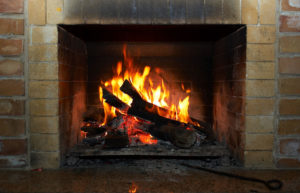
If the firebox becomes damaged, it can mean life or death. Your home is made up of wood beneath wall coverings and floors and ceilings. Behind your firebox is some type of building material, and it’s most likely flammable. Even beams and walls with proper clearance can become brittle and weak when exposed to high temperatures over a fair amount of time. This puts your home at risk for fire as well as structural damage. Basically, if your firebox is damaged, have it repaired right away. Have it serviced on a regular basis to prevent serious damage. Call in the professionals. If you don’t schedule services with chimney professionals on a routine basis, you will have a very unexpected visit from the fire protection district in your city, and it will be about saving your life and your home when a little damage turns to disaster.
Common Firebox Damage
As often as you look into your fireplace to light a fire, you should notice damage to the firebox. The most common cause of firebox damage is water damage, but there are other causes, preventable and treatable.
Water Damage – Signs of water damage in the firebox include stains on the masonry, cracks or gaps in the masonry, vegetation growth, rusted doors, and metal components, and odors in the fireplace that indicate moisture, mold, and mildew.
Improper Installation/Construction – When the firebox isn’t constructed of proper refractory materials strong enough to withstand the extreme temperature of your fire, the masonry will become cracked and gaps will appear. You may even find pieces of mortar on the floor of the firebox. Smoke stains on the walls of the firebox may also be a construction issue, or from the fuel you’re burning. Be sure you’re only burning properly seasoned firewood in your fireplace.
Debris in the Fireplace – If your cap is dislodged, the firebox can be damaged by falling debris or even animals nesting in the system. They can scratch up the chimney interior, damaging masonry and leaving flammable materials behind.
Basically, any sign that your system isn’t working properly means your next call should be to a certified chimney professional. Only the professionals can properly repair and rebuild a firebox to bring comfort and safety back to your home.
Jacksonville’s Trusted Experts
For more than 30 years, Jacksonville homeowners have trusted Hudson Chimney with their homes. We specialize in masonry, and our masons use firebricks and refractory mortar to get the job done right. Your firebox will be safe for use, whether you use your fire daily or only periodically.
Call Hudson Chimney at 904-282-4159 and have your firebox assessed and repaired now.
by Mark Hudson | Dec 31, 2018 | Dryer Vent Cleaning
Dryer vents cause house fires. In fact, according to FEMA , 2,900 house fires occur each year due to clothes dryers, causing 5 deaths, 100 injuries, and $35 million in property loss. These numbers can be scary, and even more so when you realize when these fires occur–and why. Most clothes dryer fires occur in winter, peaking in January, and the majority of them are caused from dirty dryer vents.
100 Percent Preventable
When it comes to clothes dryer fires, they are preventable. When the majority of these fires are caused by dirty vents, the prevention is obvious–clean the dryer vents. This is where we come in. A company like Hudson Chimney, which specializes in venting services including dryer vent services, can clean dryer vents annually to prevent dangerous buildup. Spending a little money now can prevent catastrophic costs and injuries later.
What a Dryer Vent Service Includes
Your dryer vent services will start with a diagnostic check. Many dryer vents are improperly installed, violating fire safety codes and causing your clothes dryers to be overworked, wearing them out and using extra utilities. When you schedule dryer vent services we’ll check out the installation, making sure the vent isn’t too long and doesn’t have too many angles. We’ll also make sure the dryer vent is venting outdoors and has a backdraft flap preventing airflow from wind gusts and air pressure. During the visit, we will also check for leaks that can slow airflow and add to build up. Our technicians will detach the vent from the dryer and clean lint out of the vent or hose with soft brushes and a high powered vacuuming system. This will clean out the system without damaging the vent itself.
Signs You Need a Dryer Vent Cleaning
Your dryer vent most likely needs to be cleaned if your clothes dryer isn’t working properly. Most homeowners mistakenly assume the clothes dryer is just fine, but wearing out. This is generally not the case.
–The dryer takes more than one cycle to dry a load of clothes.
According to manufacturers, the dryer should last ten years. If it fails to dry clothes in one cycle and is less than 5 years old, the dryer vent is likely clogged. Not only does running multiple cycles add to the clog, but it also uses 2 to 3 times more electricity, and shortens its life by 2 to 3 times! That means a unit that should last 10 years only lasts 3-5 instead. This is not only dangerous, but a bad investment.
–The dryer puts heat and moisture into the home.
When your dryer runs, it heats the house, or puts moisture into the air. This may be nice in winter–seemingly helping with heating costs–but it is dangerous. Most clothes dryer fires occur in January! This is not the time to allow a dryer to run dangerously in your home. It the dryer heats or puts moisture in the home, it means this heat and moisture isn’t being properly vented outdoors. This means there is a clog.
The time to schedule dryer services is as soon as you notice a problem with the dryer function. Call a professional who can assess and correct the situation before a dangerous accident occurs.
Schedule dryer vent cleaning or installation with Hudson Chimney today.
by Mark Hudson | Dec 14, 2018 | chimney maintenance
Now is the perfect time to schedule your chimney services to add safety and value to your fireplace experience this winter. You should not use a chimney or fireplace that has not been serviced in the last 12 months. Using it can result in serious damage, and it can cause a loss of value, property, injury, and even death. However, to get the most out of your fireplace, you need to schedule your annual chimney services!
Routine Maintenance
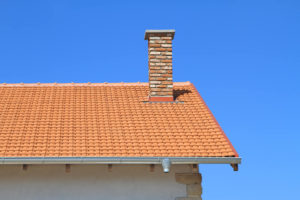 The most important services to complete annually for your chimney is your chimney sweeping and inspection. The Chimney Safety Institute of America (CSIA) and the National Fire Protection Association (NFPA) both agree that chimney systems need to be routinely cleaned and inspected. This keeps them running smoothly and more efficiently.
- Chimney Sweeping – When you schedule a chimney sweep with Hudson Chimney, you can count on a mess-free and professional experience. A certified professional will tarp off the area to prevent a mess, and they use brushes, rods, and a high-powered vacuum system to clean away all soot and creosote. Then they also inspect the exterior of the system. If there is a major issue with your chimney, we’ll know. We document our findings and present it to you, including photos and video footage, if necessary.
- Chimney Inspection – When you schedule a chimney inspection with Hudson, and you can count us. Our professionals will thoroughly inspect the interior and exterior of the system. They will check for all readily accessible portions and accessible portions, and they will even remove components if necessary to access the hazards. There are three levels of inspection, this allow us to search and inspect what is necessary without wasting time, resources, and money. If you schedule a level one inspection or a level two, and a level three is necessary, we will discuss options with you. Our goal is safety and function for your home and family, and we will do whatever it takes!
Preventative Care
However, sometimes even when you do all the necessary routine maintenance for your chimney system, things can still happen to cause damages. For example, high winds can dislodge your flashing, a flue fire can crack a liner or masonry, or seismic activity can shift masonry, cause gaps, or more.
Even minor cracks can become serious gaps and voids after a season of winter weather. You should avoid unnecessary damages by scheduling preventative measures now.
- Waterproofing – We treat chimneys with a waterproofing agent that protects your masonry all season long, year-after-year, is vapor-permeable. It doesn’t affect the way your masonry look either!
- Repairs – In addition to preventative services, repairs are essential for preventing winter damage. As soon as you notice a problem, or get a report of damage from your inspector, a repair should be scheduled. We repair parts and masonry to keep your family safe.
Contact Hudson Chimney today so that your fire is safe and warm all winter long. Call 904-282-4159 or contact us online.
by Mark Hudson | Nov 29, 2018 | Firewood
At this time of year, it may be difficult to find firewood when you need it. Why? Because many suppliers have been selling out their supply for months and any wood you cut now will not be good for burning. In order for your fireplace, stove, or insert to work properly, you must burn only properly seasoned firewood. This means your wood should be cut many months before burning, and stored until winter.
Can You Burn Fresh Wood? 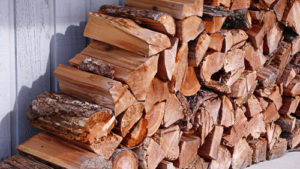
Yes. You CAN burn freshly cut wood. If your family is freezing, and the only wood you have to burn is freshly cut, it will burn. It will be difficult to light, will not reach a high temperature, will burn incompletely, produce more smoke than heat, and will put more creosote in your chimney than necessary. To reach the desired temperature, a homeowner may use three times more wood than you would with properly seasoned firewood. This wastes fuel and damages your system.
Properly Seasoned Wood
Your firewood was once a live tree which stored and used water in order to live. When it’s cut, it likely has a water content higher than 75 percent. When you burn this “green” or “wet” wood, it has to first evaporate the water before burning the fuel (wood). Think about it like this: you’re camping in the rain and attempting to light a fire. Would you use wood that has been soaked with rainwater, or would you dig through brush and grasses to find dryer pieces? Firewood is the same. The best-burning wood is cut and allowed to dry for 3-6 months before being burned. This ensures a water content of less than 35 percent.
DIY Seasoned Firewood.
First, find a good supply of the type of tree you’d like to harvest. Harder species of wood burn differently than softer ones, but all will burn well when properly-seasoned.
Next, cut the tree down, and cut it to the desired length. Letting the wood sit like this will allow water to drain and evaporate from the ends faster than letting a felled tree dry. Letting the whole tree sit will likely result in a rotted tree, not seasoned firewood.
Finally, store the firewood until you need it. If you wait to split your firewood until it’s dry, it will be easier to split and lighter to carry.
Buying Firewood
It may be that you do not have a good source for firewood on your land. You can still have a wood fire by purchasing seasoned firewood from a local supplier. When searching for a supplier, look for wood that is cut and stacked in piles that look seasoned. It is seasoned firewood if it is gray in color, light in weight, has cracks along edges, and the bark pulls away from the flesh. Don’t pay too much for a cord or rank of wood. Make sure you understand what these terms mean, and how much you should be paying.
How to Store Your Supply
Whether you’re storing bought or self-cut wood, use an open pile, a tarp, or a shed. The only mistake you can make storing firewood is enclosing it tightly to prevent airflow. Air and light are necessary to season the firewood properly.
Hudson Chimney can help you determine if your fireplace problems are from improper wood. We may even be able to help you find a supplier. Contact Hudson Chimney today for help at 904-282-4159.