by Mark Hudson | Feb 11, 2016 | Chimney Draft Issues
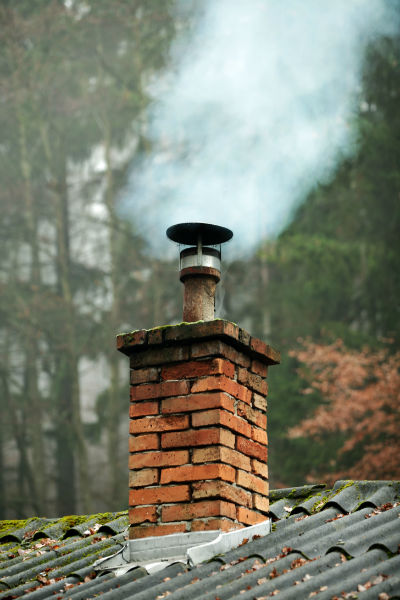
Trying to start a fire when your chimney is filled with cold air can be a challenge. Once you get the fire lit, you end up with smoke blowing back into the room because all of that cold air sinking down the chimney. This once-seemingly simple task can end up causing a lot of frustration. Knowing how to prime your chimney can be a game-changer if you have cold chimney problems. Hudson Chimney would like to eliminate any frustrations you may have with igniting a fire by telling you how you can warm up your flue, along with a couple of other tips on starting and maintaining a good fire.
Priming your chimney
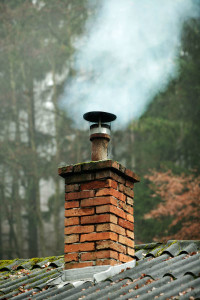
When the weather is cold outside, the air in your chimney can be just as chilly, especially if your chimney is built on the exterior of your house. Once you open the damper to prepare to get a fire started, that heavy cold air in the flue will sink down the chimney into your home and create difficulties in lighting a fire. The key to preventing this cold air sink is priming your chimney before attempting to light the fire. All you have to do is light a rolled-up newspaper and hold it like a torch up the damper for several minutes. You should be able to feel the draft reverse once enough warm air has mixed with the cold air. Once you feel this reversal, you should be ready to light a fire.
Insulating your firebox
Another way to help you start a fire with no problems is to insulate your firebox with a thin layer of ashes. The Chimney Safety Institute of America (CSIA) recommends leaving a one-inch layer of ashes on your firebox floor to protect and insulate the firebox, which makes it easier to build and maintain a good fire. If you are using your fireplace on a regular basis, you should be removing the ashes every week. Just remember to leave that thin layer of ashes when you do this task.
Building a top-down
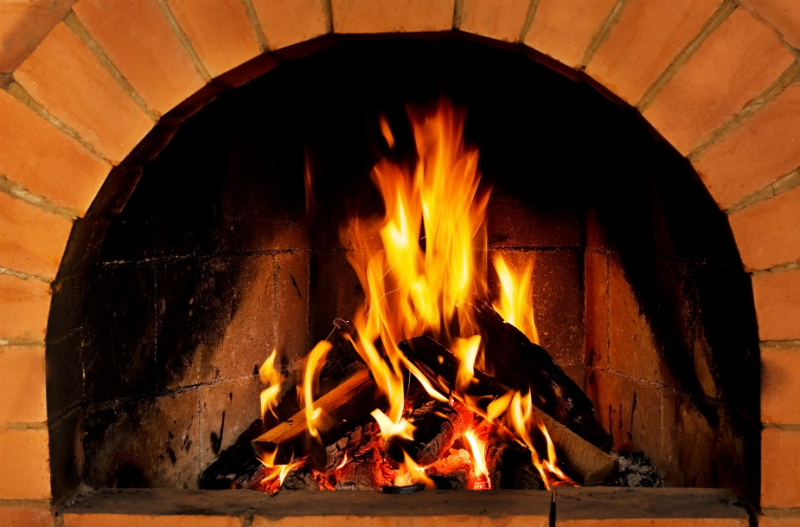
To keep your fire burning, you should be using the top-down burn method when you build the fire. For this build, you start by placing the largest pieces of firewood on the bottom of the firebox. Next, take smaller pieces of wood and layer them on top of the larger pieces. At the very top of this stack, place a layer of kindling and wood shavings. You should be able to light the kindling with a single match. Not only does this build allow the fire to burn longer with less maintenance, but it also will burn cleaner because the smoke does not have to pass through cold firewood.
Want more wood burning tips? Contact us at Hudson Chimney to learn how to maximize your fireplace.
by Mark Hudson | Jan 30, 2016 | Fire Safety Tips
Did you realize that half of the residential fires caused by home heating systems occur during the months of December, January, and February? Since we use our fireplaces, stoves, and other heating appliances frequently during these winter months, this statistic makes sense, but most of these home fires could have been easily prevented by following fire safety precautions. At Hudson Chimney, fire safety is our top priority, and we like to educate our customers on the best ways of operating their fireplaces and other heating appliances. We would like to tell you a few important fireplace safety tips that will keep you and your family warm and safe this winter.
Remember to have your fireplace and chimney professionally cleaned and inspected every year.
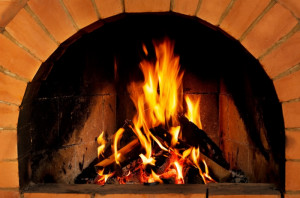
The most important preventive maintenance task you can do to avoid fire hazards is to schedule an annual appointment with Hudson Chimney for our chimney sweeping and inspection services. Our Chimney Safety Institute of America (CSIA)-certified chimney sweeps will reduce your risk of chimney fires by removing all of the creosote deposits that have accumulated on the inner walls of your chimney. We will also inspect your chimney to be sure there are no flue blockages or any damage that could cause your chimney to be unsafe to use.
You should always have your heating appliances professionally installed.
The
National Fire Protection Association (NFPA) recommends that all fireplace inserts, stoves, and other heating appliances be installed by certified professionals to protect you from hazards such as accidental fires and carbon monoxide leaks.
Keep the area surrounding your fireplace clear from combustible items.
To prevent an accidental fire being ignited by hot sparks and embers that can jump from the firebox, Hudson Chimney recommends that you keep all flammable items such as furniture, curtains, and rugs at least three feet away from your fireplace.
Set up a sturdy fireplace screen in front of your fireplace.
A metal mesh fireplace screen can prevent accidental fires by keeping hot sparks and embers from flying into the room. This will also protect your children and pets from getting too close to the fire.
Ensure you have smoke and carbon monoxide detector alarms installed in your room.
If you do not already, install these essential alarms in the same room as your heating appliance, outside each bedroom, and on every level of your home. Check the batteries for these alarms when you change your clocks in the spring and fall for Daylight Savings Time.
Need more fireplace safety tips? Contact us at Hudson Chimney to have your safety questions answered.
by Mark Hudson | Jan 10, 2016 | Water Damage And Chimneys, Winter Maintenance
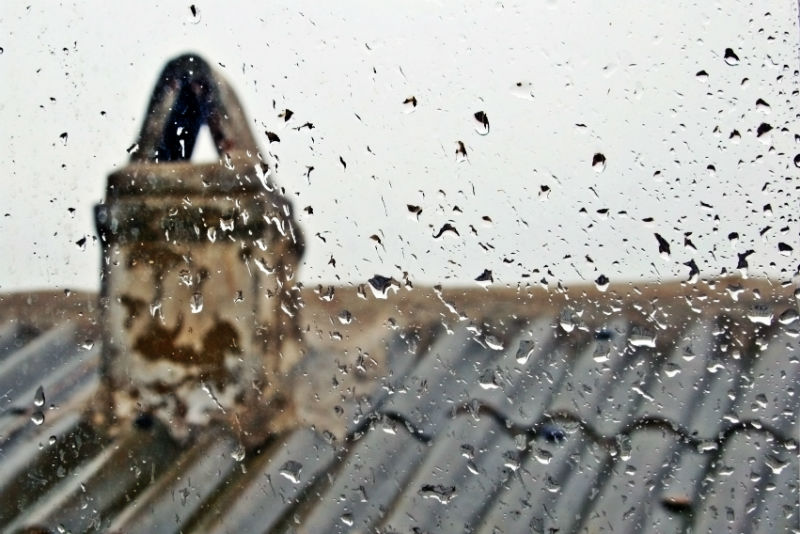
Here in the Jacksonville, Florida area, we are fortunate to enjoy moderate winters, but even though we do not have to deal with much ice and snow, we do have quite a bit of rain during this season. As we have mentioned before, the Chimney Safety Institute of America (CSIA) has named water as the biggest enemy of masonry chimneys. Water from rainfall can cause quite a bit of expensive damage to your chimney, including the collapse of its structure. Hudson Chimney has been repairing leaky chimneys over the past 30 years, and we have seen some truly horrible damage done to the bricks and mortar of chimneys. Not only do we fix chimney leaks, but we also offer a few preventive services to keep water out of chimneys. We are here to help you get your chimney ready for a wet winter so you can avoid expensive chimney repairs from water damage.
Chimney Cap Installation
An essential component of a chimney and venting system, a chimney cap keeps water from rain and melted snow out of your chimney. Without a cap, your chimney is a big hole on the top of your house. You would never leave your doors and windows open during a rainstorm, would you? Hudson Chimney can help you pick out the perfect chimney cap and professionally install it to protect your chimney from water penetration. Not only will a chimney cap keep water out of your chimney, but it will also prevent birds and animals from making a home out of your chimney. Chimney caps also keep sparks from jumping out of the top of a chimney that can ignite an accidental fire, and some types of caps can improve chimney draft problems.
Flashing
Consisting of metal sheeting, flashing wraps around the base of the chimney to keep water from entering at the point of where the chimney meets the roof. Our CSIA-certified chimney technicians will take precise measurements of your chimney to create a flashing system to protect your chimney from water penetration. We also can make repairs if your existing flashing system is damaged.
Waterproofing
To create a barrier against water penetration, Hudson Chimney provides waterproofing services. We feel that waterproofing is one of the best ways to prolong the life of your chimney. Our chimney technicians will start this service by cleaning the exterior of your chimney and then apply a layer of ChimneySaver’s Water Repellant, a 100% vapor permeable formula. This means no water will be able to penetrate into the bricks and mortar of your chimney, but any water vapors already trapped inside these masonry materials will be able to escape.
Prevention is always easier and less expensive than repairing damage. Contact us at Hudson Chimney to make an appointment for us to get your chimney ready for the wet winter.
by Mark Hudson | Dec 31, 2015 | Firewood
The most important factor for the best firewood is for it to be seasoned, or dried, sufficiently. You can find firewood dealers who only sell seasoned wood, but you must store it properly to keep the wood dry. At Hudson Chimney, we are often asked by our customers for the best ways to store firewood, so we thought we would share some firewood storing tips with you to help you protect your wood fuel from the elements.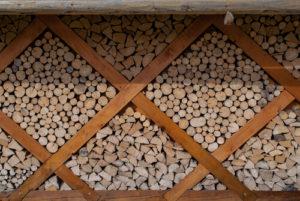
Always store your firewood off the ground.
When you stack your firewood directly on the ground, you are allowing it to absorb moisture from the ground. Even if your wood was seasoned, it will be too wet to burn if it is stored on the ground. If you do not have a storage shed, you can place your stacks of firewood on top of pallets, drain-able gravel, or a tarp.
Cover the top of your stacks of firewood.
To protect your firewood from getting wet from rain, you should place a tarp on top of the wood. Leave the sides of the stacks uncovered so that moisture will not get trapped inside and absorbed into the wood. With the sides open, air will be able to circulate and further the drying process.
Stack your wood properly.
Never stack firewood higher than four feet high. You do not want your stacks to be wobbly, unsteady, and in danger of falling over. Give each stack a few inches of breathing room to allow air to circulate, but you do want to place the stacks close enough together to discourage children and animals from climbing around them.
Build a storage shed.
According to Inman, creating a firewood storage shed is not that difficult. All you need is a raised floor, a sloped roof, and open sides so that the air can circulate and that you can easily get the wood when needed. You will want to build a big enough shed to store a year’s supply of firewood.
Create a smaller storage area inside your home.
If you have a garage or basement, you can store up to a week’s worth of firewood inside your home. This can be very convenient because you will only need to go outside to gather firewood once a week. If you do not have a garage or basement, you can get creative by using a decorative metal tub in your home to store a small supply of firewood.
If you would like more firewood tips, contact us at Hudson Chimney. We are happy to help you enjoy warm and cozy wood fires this winter.
by Mark Hudson | Dec 13, 2015 | Water Damage And Chimneys
Since your chimney extends from your roof, it is exposed to all of the elements of weather, including rain and snow. While masonry chimneys are built to last the lifetime of a house, this constant exposure to water from rain and melted snow can cause damage and deterioration to a chimney, especially if it is neglected. The Chimney Safety Institute of America (CSIA) claims that water is the biggest enemy of a masonry chimney and recommends regular maintenance to prevent expensive repairs due to water penetration damage and deterioration. Hudson Chimney would like to tell you more about how water damages your chimney and how we can help prevent this damage and deterioration.
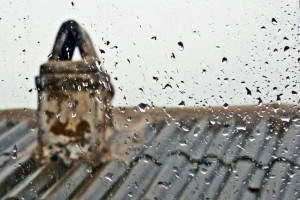
How can water damage my chimney?
According to the CSIA, all of the masonry materials that are used to build a chimney can suffer from accelerated damage after being exposed to water for a long period of time. Water causes the bricks and mortar to erode, and during the winter when the temperature drops below freezing, any water that has been absorbed into the bricks and mortar will freeze and expand. When the weather warms up, this water will thaw and cause the masonry materials to crack and break apart. This type of damage is also known as spalling, and if left unrepaired, it can lead to bricks and pieces of mortar falling from the chimney as well as the collapse of the entire structure. If water leaks into a chimney, it can also cause rusting damage to the liner, damper, and other metal components, and it can even damage the interior of your home by staining ceilings and walls.
How can Hudson Chimney protect my chimney from water damage?
Our CSIA-certified chimney technicians have several ways to prevent water penetration of your chimney: chimney caps, flashing, and waterproofing.
Called the least expensive way to prevent water penetration of a chimney, a chimney cap keeps water from even entering into your chimney. We have several different types of caps, and our chimney experts can help you find the perfect cap for your chimney and install the cap to completely cover the opening. Chimney caps have other benefits as well, including keeping birds and animals out of the chimney and preventing hot embers and sparks from jumping out of the chimney to ignite an accidental fire. We also have chimney caps that can help improve the draft in your chimney if you have problems with backdrafting.
Consisting of pieces of metal, flashing wraps around your chimney where it meets the roof to keep water from getting in at that point. In our years of working on chimneys, we have seen inadequate flashing systems that are coming apart and actually let water enter into the chimney. We construct customized flashing systems to completely protect your chimney from water penetration. We also work with state-licensed roofers to ensure the flashing fits correctly along the roof.
Using a 100% vapor permeable formula, our chimney technicians can waterproof your chimney by applying a coat of this formula to your entire chimney. We use ChimneySaver products that are designed especially for chimneys. This formula provides a barrier on your masonry chimney that keeps water from leaking into the bricks and mortar but allows fumes and vapors to easily escape so that they do not become trapped to cause further damage.
Protect your chimney from water damage this winter. Contact us at Hudson Chimney to schedule an appointment for one of our water penetration prevention services.