by Mark Hudson | Jun 20, 2017 | chimney maintenance
This is a world where everything is low-maintenance, high-speed, made-to-order, and convenient. Due to this, it can be difficult to slow down and add to the list of to-do’s. The weather warms up and you’re finished with your spring cleaning. So, of course you don’t want to think of more work that needs to be done. It can be easy to put off your annual chimney maintenance until winter. However, there’s no good reason to put it off, and every reason to do it now!
Sweeps and Inspections Keep You Safe
Both the Chimney Safety Institute of America (CSIA) and the National Fire Protection Association (NFPA) recommend annual maintenance for the safest and most efficient chimney system. These appointments are the only time a certified professional will get a look at your chimney. Early detection is the key to fixing an issue or weakness in your chimney system. Any weakness can cause catastrophic damage, illness, injury, or death!
It’s Required
Most homeowners insurance policy agreements require routine chimney sweeps and inspections to maintain coverage. A chimney inspection is also required when a property is sold or transferred. Also, when changes are made to the system, or following a natural disaster or fire. The signature of a CSIA Certified Chimney Sweep (CCS) will be recognized and accepted by insurance, real estate, and municipal officials!
Avoid Odors, Damage, and Illness
Did you know a dirty chimney and fireplace can lead to foul odors in the summertime? Soot and creosote left in a chimney can lead to a smoky/barbecue smell. It permeates the home, especially once summer humidity mingles with the residue inside the flue. Odors of decomposing leaves, sticks, debris, and even animal droppings and dead animals themselves can also lead to foul, pungent odors in the chimney. These odors are avoidable when you schedule a chimney sweep following burn season.
Do you leave the filth inside the chimney? If so, the negative pressure of the home will lead to odors, despite any attempt to stop it. What is the most serious odor that can come from a dirty or neglected chimney? The moldy/mildew-like odor that means you have a leaky chimney. Your leak would have been diagnosed early, and repairs completed if it was inspected. Haven’t scheduled your chimney inspection and your chimney smells moldy? Call now, and avoid respiratory issues and water damage!
Avoid the Fall Rush by Scheduling Now
By scheduling your chimney maintenance now, you can avoid the fall rush. This is the time between October and January when chimney sweeps are most busy. At this time it can be hard to get your desired appointment time, your usual technician, and you may even be left in the cold waiting for your service appointment. Schedule your chimney sweep and inspection now and you will have time to make necessary repairs, upgrades, and installations before the fall!
Hudson Chimney is Jacksonville’s #1 chimney sweep company for over 30 years, and we put our customers first every time. To find out about our chimney sweep services and inspections, contact Hudson Chimney today.
by Mark Hudson | Nov 5, 2016 | Storm Damage
At Hudson Chimney, we know firsthand the affect of recent storms on our neighbors in Jacksonville and surrounding areas. Our technicians live in the area, and know the damaging affects that high winds and water have on their homes.
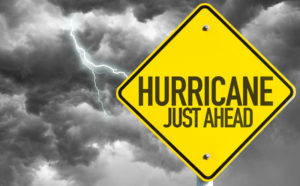 Hurricanes and tropical storms bring with them strong winds. These winds can can rip up flashing, damage chase pans and chimney caps, damage masonry, wear down chimney crowns and more. When these important parts of the chimney are damaged or missing, the water then has access to the chimney system. The water alone causing extensive damage itself. In our tropical climate, it’s important to repair damages like this as soon as possible. The best place to start is with a chimney inspection.
We Provide Inspections
According to the Chimney Safety Institute of America (CSIA), you should schedule a level two chimney inspection if your chimney has experienced a change or a natural occurrence that might have compromised the integrity or safety of the chimney system, including hurricanes. Our technicians provide expert and prompt service. In addition, our inspections include a video scan of the chimney system to provide a comprehensive report for your records.
We Will Sweep Your Chimney
The chimney sweep is vital to the safety and efficiency of your chimney, especially if your chimney cap was lost during the storm. During your chimney sweep, our technicians will remove all storm debris from the chimney. Also, removing the naturally occurring buildup of creosote on the chimney walls.
Common Storm Repairs for Your Chimney
Our experience of over 30 years of operation in the area has taught us what to look for first when dealing with storm damage.
- Masonry and Fireplace Repair
Our technicians will look for and repair cracks, receding mortar joints, crumbing or cracking chimney crowns, and any other type of masonry shifting or damage. This commonly occurs due to high winds during a storm, and is worsened by prolonged water exposure.
- Chimney Relining
We look for damage to the flue liner. Depending on the type of liner in your chimney, our technicians may choose to replace it with a more durable liner. However, our chimney sweeps may choose to apply HeatShield® cerfractory sealant. This product is applied to an existing flue liner, leaving a new, heat resistant surface to your chimney liner.
- Flashing Installation and Repair
We look for flashing damage, because any damage at all will affect it’s durability. A single dent can affect the way the water flows across it. This may allow it to penetrate the flashing and the roof. Consequently causing water damage not just within the chimney, but in the home itself.
Hudson Chimney offers a full menu of chimney services and we want to be your choice for storm repairs. To find out more about waterproofing and damage prevention contact a Hudson Chimney professional today.
by Mark Hudson | Oct 24, 2016 | Modern Chimney Standards
The use of fire for home heating is centuries old, as well as the need for a ventilation system. Fireplaces and chimneys have changed in major ways through the years. However, how the chimney works remains the same.
 Your Classic Chimney
Many older chimneys are missing important parts that have been found to be vitally important in recent years. Many older masonry chimneys do not have a chimney liner, or they have an old clay tile liner. In other instances, older chimneys are too big for the size of the fireplace or insert. Chimney caps are also a part of the chimney that are often overlooked by the older generation of homeowners. They have been missing on classic chimneys for years.
There is a reason why these elements have been added to modern standards of chimney and fire safety. The fire industry is constantly changing, which is why chimney professionals renew their training regularly. It’s also why fire codes and municipal standards are always changing as well.
Modern Standards
The industry standard for chimney sweep credentials is the Chimney Safety Institute of America (CSIA). The CSIA Certified Chimney Sweep® (CCS) credential stands for excellence and training in the ever-changing field. There is a need for such a standard. In addition to have a similar need for manufacturing, installation, and operation standards for everyone’s safety.
The National Fire Protection Association (NFPA) is the leading information and knowledge resource on fire, electrical, and related hazards. The CSIA became the industry standard for professional chimney sweeps. The NFPA became the industry standard for safe ventilation, installation of fire-burning appliances, and the construction and installation of chimneys, fireplaces, and venting systems.
The NFPA 211 standards address:
- Design, installation, maintenance, and inspection.
- Chimneys, fireplaces, venting systems, and solid fuel-burning appliances.
- Residential, commercial, and industrial occupancy.
Comprehensive provisions address general requirements as well as specific types of units. The appliances are actually manufactured with these codes in mind. So, chimney sweeps are well-abreast of them when they install, maintain, replace, or repair the appliances and chimney systems. This is why you should never install your own fireplace or furnace. Only a certified chimney sweep can install the appliance and properly match it with the perfect venting products.
Hudson Chimney has changed with the industry standards, as we’ve been full-time chimney sweeps since 1979. Our technicians are experienced and trained to bring your classic chimney up to modern standards.
Ready to let someone bring your chimney system into the modern era? Also, keeping your safety and comfort in mind? Call Hudson Chimney today at 904-282-4159. For your convenience you can also request an appointment online.
by Mark Hudson | Sep 29, 2015 | Chimney Safety Week
Whenever September arrives, Hudson Chimney knows that not only will we be busy preparing chimneys in the Jacksonville, Florida area for the upcoming fireplace season, but we will also be getting ready to celebrate with the Chimney Safety Institute of America (CSIA) during their annual National Chimney Safety Week, which occurs the last week of September (September 27 – October 3, 2015). This is an opportunity for chimney professionals across the country to educate people about fire and chimney safety before the weather starts getting cold. A fireplace and chimney system can present many hazards, so it is important to know and follow safety practices whenever you use this part of your home. The last thing you would want to happen this winter is a devastating chimney fire because you neglected to schedule your annual chimney inspection. The Director of Education for the CSIA, Ashley Eldridge says, “Fires in chimneys can start for a variety of reasons. They can be poorly built, or incorrectly designed, or the chimney flue sees a buildup of creosote over time. If you’ve ignored the need for an inspection, you are taking a risk.” Other than having your chimney professionally inspected every year, the CSIA offers other things you should do to reduce your risk of a chimney fire, and we would like to share them with you.
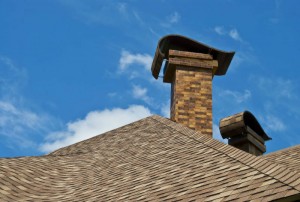
Your chimney is not the only part that should be inspected.
Your wood-burning or gas fireplace should also be examined by a professional to be sure no potential hazards exist. A wood-burning firebox could also have a large buildup of creosote, and this can be an extremely dangerous situation. Ensure your firebox is free from any creosote accumulation before you light a fire inside it. Gas and propane logs may not produce any soot or creosote, but they can deposit corrosive substances within your chimney. Ceramic logs in gas fireplaces can also deteriorate and clog the vents and pilot light. Having the logs checked in your gas fireplace can prevent chimney fires and other fireplace issues that can happen when the pilot light and other connectors are not correctly working.
Be prepared for all severe weather hazards.
To be sure you are ready for a severe storm, such as a hurricane, the CSIA suggest three steps:
1. Know your risk.
Before leaving home in the morning, check the weather reports to be sure you are prepared for any coming weather event.
2. Take action!
Find out more about what kind of weather your area should expect this fall. Make an emergency supplies kit. Come up with a communication plan for your entire family in case of an emergency.
3. Be a force of nature.
If a hurricane or other severe weather storm is heading your way, spread the word! Inspire your friends and family by letting them know how you have prepared for the potentially bad weather.
If you would like to learn more about National Chimney Safety Week, contact us at Hudson Chimney. We are happy to educate you on fire prevention!
by Mark Hudson | Aug 3, 2015 | Chimney Video Inspection
Whenever your chimney is inspected by one of our Chimney Safety Institute of America (CSIA)-certified chimney sweeps from Hudson Chimney, you will be able to see exactly what we saw, thanks to video scans from the Chim-Scan Closed Circuit Internal Evaluation System. A video scan inspection can be extremely valuable, especially if damage is found to your chimney during the inspection. Our sweeps benefit from these video scans as well as they are able to see every inch of the inside of your chimney when they use this camera technology. We would like to answer some of the most frequently asked questions we have encountered about Chim-Scan video inspections.
What exactly is the Chim-Scan Closed Circuit Internal Evaluation System?
Explained by the company that creates and manufactures this system, a Chim-Scan is a remote imaging video camera that has been specifically engineered to be moved up and down inside a chimney. This provides both our chimney sweep and the homeowner a video scan of each inch of the interior walls of a chimney. When this Chim-Scan system is used, everyone can see an up-close view of parts of your chimney that are extremely difficult to see by regular means.
What makes a video scan important in a chimney inspection?
Required by the National Fire Protection Association (NFPA) in their Level 2 and Level 3 chimney inspections, video scans are so important to Hudson Chimney that we also use them in our basic Level 1 inspections. One of the main reasons why we feel this way is the ability of the Chim-Scan camera to spy every inch of your chimney’s interior. This allows us to spot hazardous damage that we could have missed seeing if we did not use this tool. You could have damage to the inside of your chimney that needs to be repaired before you can safely use your fireplace. An example of this damage are cracks that could allow the poisonous gases created by combustion to enter your home. Also, if you need to report any damage to your home insurance agent, a video scan can give you the evidence your agent will need to file a claim.
What are the other advantages of video scan inspections?
Along with discovering hard-to-see damage, a video scan inspection can also be used to determine details about damage from a chimney fire, uncover improper repair work, and find animals and/or their nests within a chimney. A crucial part of a chimney fire investigation, a video scan can help diagnose the cause of the fire and the amount of any damage which happened in the fire. You will also be provided with written reports, photographs, and/or video recordings after a video scan inspection.
Discover the value of a video scan inspection. Contact Hudson Chimney today to schedule your annual chimney sweeping and inspection.