by Mark Hudson | Jul 12, 2016 | Dryer Vent Cleaning
One of the biggest signs that you have a clogged clothes dryer vent is when it takes more than one cycle to completely dry one load of clothes. If you have noticed that it is taking your clothes longer to dry, you should contact us at Hudson Chimney to schedule an appointment for our professional dryer vent cleaning services. Not only does a dirty dryer vent cause your dryer to not work as well as it should, it also creates a dangerous fire hazard. According to the US Fire Administration, 2,900 clothes dryer fires were reported each year between 2008 and 2010, and these fires resulted in approximately five deaths, 100 injuries, and $35 million in property losses. Most of these fires started due to dirty and clogged dryer vents. This is why many national fire safety organizations recommend that homeowners have their dryer vent system professionally cleaned at least once a year. This service will also save you money on utility bills because you will not have to run your dryer twice as long to dry your clothes. We would like to share some more clothes dryer safety tips to help you reduce this fire risk and prevent clothes dryer fires.
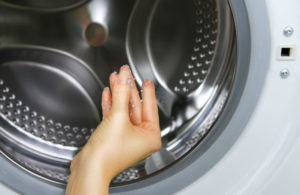
Never use your dryer without a lint filter.
Lint is so flammable that the Boy Scouts of America recommend using it to start campfires. Since your clothes dryer produces a lot of lint, you need the lint filter to collect as much of it as possible. You should always clean the lint filter before or after each load. Although this does trap a lot of lint, your vent will still have loose lint that accumulates over time. When lint builds up enough to block the vent, you could easily have a dryer fire since the excessive heat from the dryer can ignite lint.
Be sure your vent is made from the right material.
For proper air flow, your vent should be constructed from rigid or flexible metal venting material. You also should ensure that the air exhaust vent pipe has no restrictions. The vent flap on the outside of your home should open when your dryer is in use.
Follow the manufacturer’s instructions.
Read the owner’s manual for your clothes dryer, and do not overload your dryer with too many clothes. Check the plug for your dryer and be sure it is plugged into the right type of outlet. If you have a gas-powered dryer, it should be inspected annually to ensure the gas line and connection have no leaks.
If you have damp clothes at the end of one drying cycle, your dryer vent is most likely clogged. Contact us at Hudson Chimney to schedule an appointment for our professional dryer vent cleaning services.
by Mark Hudson | Jun 27, 2016 | chimney maintenance
During the summer, your fireplace is probably the last thing you are thinking about, but unpleasant odors coming into your home from your chimney through the fireplace will quickly remind you. Hudson Chimney has been working on the chimneys of Jacksonville area residents for over 30 years, and we have lots of experience with diagnosing and solving chimney odor problems. The heat and humidity of the summer months can worsen these stinky smells, and, because your home is weatherized to keep the cold air inside, you are more likely to have chimney draft problems that allow these odors to be blown into the house. Different things can cause chimney odors, and we would like to tell you a bit more about these smelly factors and how we can take care of your stinky chimney.

Do you notice a bad barbecue or asphalt odor?
If it smells like someone has burned food on the grill or like your street is being paved, the source of your chimney odor is creosote. Formed naturally during the combustion process of burning wood, creosote sticks to the inner walls of your chimney and can accumulate into large deposits. Not only does creosote have a strong, acrid odor, it also is so highly flammable that the Chimney Safety Institute of America (CSIA) says that creosote is a leading cause of chimney fires. To keep your home smelling sweet and to reduce your risk of a chimney fire, Hudson Chimney recommends scheduling your annual chimney sweeping in the spring or summer. Our CSIA-certified chimney sweeps will make sure to remove every bit of creosote from the inside of your chimney.
Is the smell musty?
If you notice a musty odor, you most likely have standing water on the smoke shelf. To keep water out of your chimney, you need a good quality chimney cap professionally installed on the top of the chimney. Without a cap, water from rain can easily get into your chimney and land on the smoke shelf. Leaves, sticks, and dirt can also fall into your chimney, and when this debris mixes with standing water, you could end up with a rotting odor coming from your chimney. Hudson Chimney offers a wide variety of chimney caps, and we can help you pick out the perfect cap for your chimney and install it to protect your chimney from water leaks.
Has your home been invaded by a rotting, decomposing stench?
The worst case odor scenario is a dead bird, squirrel, raccoon, or other wild animal in your chimney. These critters often mistake chimneys for trees and get inside the flue to nest. Unfortunately, it can be easy for a bird or animal to become trapped inside and die within your chimney. To prevent this situation from occurring, you need a chimney cap that is equipped with mesh metal sides that will keep birds and wild animals from being able to get into the chimney. Hudson Chimney knows which caps work the best against animal invasions and can help you stop these creatures from nesting inside your chimney.
Keep your home smelling fresh this summer. Contact us at Hudson Chimney to schedule an appointment for a chimney sweeping and inspection today.
by Mark Hudson | Jun 8, 2016 | Chimney Leaks
Even though your masonry chimney was built to be durable and strong enough to last a lifetime, its exterior is constantly exposed to the elements of weather. Water from rain erodes the bricks and mortar joints over the years, and this can lead to chimney leaks as well as to severe structural damage. Protecting your chimney from water penetration is one of the most important responsibilities a homeowner has, and Hudson Chimney is proud to provide water leak repair and prevention services. For over 30 years, we have been taking care of chimneys across Northeast Florida, and we have the training and experience to ensure your chimney is safe from water damage. Our chimney technicians have all been certified by the Chimney Safety Institute of America (CSIA), and we agree with this non-profit educational organization that water is the biggest enemy of masonry chimneys. We would like to tell you more about the services we provide to take care of leaky chimneys.
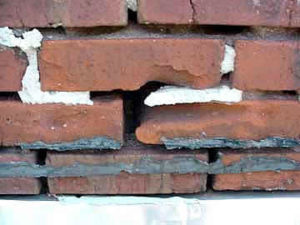
MASONRY REPAIR
If you have noticed cracked, loose, or missing bricks and mortar joints on the outside of your chimney, you will need our masonry repair services to restore the structure of your chimney. Damaged masonry materials allow even more water to get inside the flue, which can lead to rusting of the liner or damper and to rotting of the wood that surrounds your chimney. Hudson Chimney uses masonry techniques like tuckpointing to replace damaged and missing bricks and mortar joints. You can trust us to make sure your chimney is safe and sound.
CHIMNEY CAP
Without a chimney cap professionally installed on top of your chimney, rain water can easily get into the flue. Hudson Chimney offers a wide variety of chimney caps, and we can help you find the best one for your chimney and install it to protect your chimney from water intrusion. The CSIA recommends chimney caps, as the least expensive preventive measure you can take against chimney water leaks.
FLASHING
One of the most common areas for water leaks is where your chimney meets the roof. To protect this vulnerable spot, Hudson Chimney can install a customized flashing system by wrapping metal sheets around your chimney at the roof. We will ensure that the flashing provides an airtight seal of your chimney. If you have a flashing system that has been damaged, we also provide flashing repair services.
WATERPROOFING
Once your chimney has been repaired, Hudson Chimney can create a barrier against water penetration by applying a waterproofing formula to your entire chimney. We only use formulas that are 100% vapor permeable, which is important because it allows vapors to escape the masonry materials while keeping water out of them. Our waterproofing treatment has a 10-year warranty, so your chimney will be protected from water penetration for a decade.
Protect your chimney from damaging water leaks. Contact Hudson Chimney today to schedule an appointment for a water leak chimney inspection.
by Mark Hudson | May 23, 2016 | fireplaces
If you have a prefab fireplace, you know how important it is to follow the manufacturer’s instructions so that it works safely. The Chimney Safety Institute of America (CSIA) says that using your prefab fireplace properly is critical to operate it efficiently and safely. Even though these types of fireplaces are not built to last as long as masonry fireplaces, you can prolong the life of your factory-built fireplace with regular maintenance and service. One of the most common problems with prefab fireplaces has to do with the firebox. Over the years, the lining of the firebox can suffer from rust corrosion, which can cause the firebox to crack. When this happens, your home is at a greater risk of an accidental fire because the cracks and gaps allow fire and heat to reach the combustible materials in the walls that surround the fireplace. Hudson Chimney has years of experience in repairing damaged fireboxes in prefab fireplaces, and we would like to tell you more about what can damage your firebox.

WATER LEAKS
The main reason a firebox in a prefab fireplace suffers from rust corrosion is exposure to water. When you have a prefab fireplace and chimney that is covered with a chase, you need a chase cover to keep water out of the chimney. If the cover is damaged or missing, water from rain can easily enter your chimney, and this is how your firebox becomes corroded with rust. Hudson Chimney can not only repair your damaged firebox, but we can also install a new chase cover that will protect your chimney and fireplace from water leaks.
FREQUENT USAGE
Prefab fireplaces are designed to be used occasionally, and if you burn fires in your prefab fireplace everyday, it can lead to firebox damage. This type of fireplace is not made to handle daily exposure to extremely high temperatures. If you want to use your fireplace everyday during the winter, Hudson Chimney can help you upgrade to a fireplace insert that is manufactured to be used more often.
WRONG PART INSTALLATION
When certain parts, such as the damper and smoke dome, of your prefab fireplace and chimney need to be replaced, it is essential that those parts match the brand name and model number of the original parts. If these parts are not replaced with parts that match the originals, your prefab fireplace will not operate safely and properly. You could end up experiencing a house fire in this situation. Hudson Chimney will take the time to find the exact parts needed for your prefab fireplace.
If your prefab fireplace is calling out for help, Hudson Chimney is here to solve the problem. Contact us to schedule an inspection of your prefab fireplace today.
by Mark Hudson | May 5, 2016 | Chimney Inspections
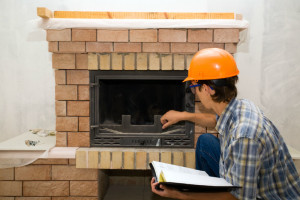
Exterior damage to your masonry chimney is easily noticed, but problems deep within the flue can be impossible for you to see. A lot of damage can be lurking inside your chimney, and you could be endangering yourself and your family by using your fireplace when any damage exists. This is why it is so important to have an annual professional chimney inspection. At Hudson Chimney, we have all been certified by the Chimney Safety Institute of America (CSIA) in properly inspecting chimneys. We know where to look for damage inside your flue, and we perform video scans on certain inspections we do, which allows us to see every inch of the interior of your chimney. If we do find any problems, we have the video footage that we can show you to help you understand the type of repairs needed to correct the issue. We would like to tell you a bit more about the importance of chimney inspections.
What kind of damage can typically be found inside a chimney?
One of the most common problems Hudson Chimney often finds inside chimneys is a cracked chimney liner, which can be very hazardous. If your chimney has suffered a water leak, your liner can suffer from rusting and other corrosion damage and crack and break apart. When your liner has cracks and gaps, the toxic byproducts of combustion can leak into your home. Another issue we see is chimney blockages. Many things can block your flue, including leaves, sticks, nesting materials from birds and wild animals, soot, and creosote. When your chimney is blocked, you are at a higher risk of a chimney fire and a carbon monoxide leak. Something else we often find when we inspect the interior of chimneys is a flue that is not properly sized to the heating appliance. This can cause problems including an overproduction of carbon monoxide, chimney draft issues, and inefficiencies in the operation of your fireplace and chimney.
What is involved in a chimney inspection from Hudson Chimney?
Your chimney inspection will depend on the level you need. Over a decade ago, the National Fire Protection Association (NFPA) adopted three levels of chimney inspections to remove inconsistencies in inspections and streamline the process across the country. Level 1 is the most basic level of inspection, which is included with our annual chimney sweeping services. For this level, we will carefully check out the readily accessible parts of the inside and outside of your chimney and the accessible parts of your heating appliance and its heating connection. If you have changed your heating appliance, are selling or buying a home, or have experienced a chimney fire, earthquake, or severe weather event, you will need a Level 2 inspection. This level includes everything in a Level 1 inspection, a video scan, and an examination of the attic, crawl space, or basement. If we find a potentially hazardous problem, we will recommend you have a Level 3 inspection. This level includes everything in a Level 2 inspection and the removal of components, such as the chimney crown and an interior chimney wall. While a Level 3 inspection may seem destructive, it is necessary for your safety.
Just because your chimney looks great on the outside, you could have hidden hazards lurking inside your flue. Contact us at Hudson Chimney to schedule your annual chimney inspection today.