by Mark Hudson | Jun 26, 2019 | Chimney Smells
There is a host of issues that a homeowner may have with their chimney throughout winter. When the fireplace is in use every day, hazards may arise anytime. However, during the off-season, chimney problems may not present immediate danger and are subtle, but they can still be quite a bother.
Perhaps you’re a homeowner in the Jacksonville, Florida area and the summer heat and humidity are affecting your chimney. You may not even realize it until you notice disgusting smells coming from your fireplace. There are lots of different kinds of odors, and each odor could mean something is wrong with your chimney. Let Hudson Chimney troubleshoot and figure out the problem with your chimney odor today!
Chimney Odors and Chimney Problems
 The first thing you might notice during the off-season won’t identify itself as a chimney problem unless you know what to look for. You may be sitting in your living room, relaxing with coffee and a friend, and then you suddenly smell the overwhelming odor of barbecue. It is strong, and now you can’t focus on anything else. This is a common complaint we get from customers as they realize that the odor is coming from their fireplace. The fireplace worked fine all year. They didn’t have any problems with it. What’s the problem? The problem, according to the professionals, depends on the odor.
Barbecue Grill/Smoker Odor
If your fireplace smells like a dirty barbecue grill inside your living room, it is time to call the professionals. This odor is a direct result of a dirty chimney system. The soot and creosote that collects in and coats the system all winter long are beginning to stink due to the air pressure outside forcing the odors indoors. The smell also worsens when humidity rises, water vapors mingling with the soot and creosote. This combination is especially corrosive to the liner if it isn’t cleaned out of the system or the chimney is closed from the outside.
Mold/Mildew Odor
You might be smelling odors that indicate mold or mildew. If you have checked all the cabinets under the sink, looked over ceilings and walls for leaks, and caught up on laundry baskets, it’s time to look at the chimney. Water in the chimney system, especially water that has been present long enough for bacteria growth, will begin to emit these odors. This is a sign of a leak that is serious and should be fixed right away before more damage occurs.
Foul/Decomposition Odor
This type of odor is easy to identify, but homeowners never want to believe it. When you smell the foul odor of decomposition, you might assume you have a dead mouse under a bed or inside a wall. The chimney can emit this odor too. However, when animals come into the system and die when organic material begins to decompose such as limbs, wood, leaves, etc. and the odor is the same. When you smell this foul odor from the fireplace, it needs to be cleaned out immediately.
Solution
Schedule services with Hudson chimney so that your chimney smells fresh and is ready for burning season in the fall. We can clean the system from top to bottom, check for chimney leaks, and even waterproof the masonry to prevent future leaks.
Don’t settle for a stinky house or a dirty chimney. Call Hudson Chimney today at 904-282-4159 and we’ll make sure your chimney is clean and fresh in no time!
by Mark Hudson | Jun 15, 2019 | Chimney Cap
The biggest enemy of your chimney system whether it’s spring, summer, fall, or winter is water. Precipitation can wreak havoc on an uncapped chimney, but rainwater is not the only reason to cap your chimney. At Hudson Chimney we know that every chimney flue needs a cap and here are the seven biggest reasons why.
1. Caps Keep Water Out
Chimney caps are designed to keep water out of the chimney flue, preventing serious water damage and danger. No matter what brand or style you buy, it should have a metal roof on it which prevents water from falling into the chimney. The water runs off the chimney cap and onto the crown below. From the crown, water drips down to the flashing and roof.
2. Caps Keep Animals Out
Especially during spring, but also year-round, chimney caps keep animals out of the chimney system. Any critter that can make it onto the roof can make it into the chimney opening if it isn’t properly capped. If they climb back out on their own, they leave behind nesting materials, droppings, and other debris that need to be removed. Some of these animals can obstruct the chimney flue, others suffocate and die inside the system, and some, like the chimney swift, are protected under federal law and cannot even be removed from the chimney system or the home. The best way to prevent animals from gaining access to the chimney is to keep it capped.
3. Caps Keep Debris Out
During stormy periods, winds and rain may carry debris into your chimney flue, leading to obstruction, fire hazards, and even odors as these materials decompose over time.
4. Caps Keep Wind Out
In our area of Jacksonville, Florida, especially this time of year, we experience tropical weather producing high winds. At Hudson Chimney we sell and install special models of chimney caps which deflect wind to prevent damage and stop drafts from entering your chimney.
5. Caps Keep Sparks In
While your fireplace is in use, your chimney vents heat, gases, and sparks. Some of these sparks may be ignited and carried up through the flue and out while still ignited. These sparks can ignite fires on your roof and even on your yard near your house. The metal mesh on your chimney cap stops these sparks and puts them directly back into your flue and down into your fireplace.
6. Caps Protect the Liner
You chimney cap doesn’t just prevent damage to your chimney system caused by water, weather, and animals. The cap will prolong the life of your chimney liner overall by protecting it completely. Whether your liner is a clay tile, stainless steel, or another type of liner, the cap will protect it year-round.
7. Caps Can Double as Dampers
If you choose a top mount damper, it can double as a cap, closing the system from the top-down with an airtight seal. This type of cap/damper mechanism saves our customers money, provides 100 percent protection, and is long-lasting.
If your chimney flue doesn’t have a chimney cap, your chimney is at risk. Call the professionals at Hudson Chimney today at 904-282-4159. We install caps, custom caps, and energy top mount dampers.
by Mark Hudson | May 29, 2019 | chimney repairs
In Jacksonville, Hurricane season falls between June and November. Although we can expect heavy storms year-round, hurricanes can cause more damages to your home and chimney. Don’t let storm damages get you down, but give the team at Hudson Chimney a call for your chimney and fireplace repairs.
Jacksonville is our home. We work here, live here, know the area, its municipal codes and the climate. We know that ocean air can lead to efflorescence on your chimney structures, which can cause leaks and alter the look of your chimney. As we prepare for the terrible hurricane season ahead, we want to help you be more aware of storm damages and what you can do to protect your chimney.
Common Storm Damage
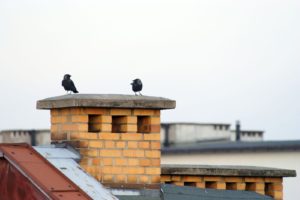 During and after hurricane season, we often get calls for chimney inspections. We commonly see missing or dislodged flashing, damaged chase pans, chimney caps, masonry, worn chimney crowns, and more. This type of damage can happen suddenly or over time when the chimney is exposed to tropical storms and hurricanes year after year. The most important thing is getting regular chimney inspections after burn season or hurricane season to minimize and stay on top these damages.
Professional Inspections
You can make sure your chimney system is in tip top shape by scheduling an inspection. Generally, a level one inspection is required annually when the chimney has not been through any changes. However, a level two inspection should be scheduled for natural occurrence, which affects your chimney system. When we complete a level two inspection, we include a video scan to access the entire system—even unseen portions of the flue.
After your inspection, our technician provide a detailed report including necessary footage and a repair plan. It’s important to address repairs as soon as possible to avoid more damage. If your system needs repairs, you can call Hudson Chimney now to get the necessary work done before storms come your way!
Water Damage and More
When you leave repairs undone, you leave your chimney system exposed to the elements. Missing flashing or caps and damaged crowns or masonry can allow water to go directly into your system. When water enters your system, it can ruin walls and furniture, rust parts, and even cause respiratory issues to your family members.
Hudson Chimney Repairs
Some of your masonry damages are visible. There could be missing mortar, gaps, cracks, flaking masonry, and stains. While other masonry damages are unseen, and they are only detected by a video scan during a level 2 inspection. Whatever damage you are experiencing, we have the repairs to address them. Our team of masons and certified chimney sweeps can repair your masonry with tuckpointing. We rebuild masonry, repair and seal mortar crowns, and we install flashing and caps to protect your chimney system for future storms.
For added protection for your chimney, you should also consider waterproofing your chimney. It is a simple process that protects your masonry from water penetration for many years. Call Hudson Chimney at 904-282-4159!
by Mark Hudson | May 15, 2019 | Chimney Cleaning
One of the most dangerous systems in your home is your chimney system. People assume it’s because of the risk of fire, but actually, the carbon monoxide exposure from your fireplace is a real danger that sends about 50,000 people to the ER each year. While not all of these cases are caused by your fireplace, they often happen in the home and can lead to serious organ damage and even death.
In fact, according to the Centers for Disease Control and Prevention (CDC), 430 people die in the U.S. from accidental CO poisoning. Carbon monoxide is highly dangerous and poisonous, as it is tasteless, odorless, and colorless. When it affects the body, the symptoms are much like the common cold and flu, so it often goes unnoticed. Prevent CO poisoning before it happens to you by taking care of your chimney and fireplace regularly.
Clean Chimneys are Safe and Efficient
 The National Fire Protection Association (NFPA) recommends regular chimney maintenance for a safe and efficient chimney system. Having your a chimney inspection annually allows a professional to get a look at your system inside and out. They can assess and diagnose hazards to keep your family and home safe. When you schedule a chimney sweep, a professional comes into the home and clears the entire system of soot, creosote, and other debris. This causes an increase of efficiency for your system and lead to countless problems such as carbon monoxide leaks.
Other Common Sources of CO
Whether your furnace is wood or gas-fueled, it has a risk of exposing your family to carbon monoxide if not properly maintained. Other sources of CO gas include:
- Room heaters
- Charcoal grills
- Cooing ranges
- Water heaters
- Automobiles
- Fireplaces
- Portable generators
- Small engines
When a family is exposed to CO gas, some individuals are at risk for more danger than others. If you have children or elderly family members who are experiencing serious symptom, get help immediately. Symptoms are as minor as a headache, dizziness, and nausea. They can be as serious as confusion, memory loss, difficulty coordinating, convulsions, and seizures. These symptoms are lessened when you spend time away from the residence and return again when you return home. Serious symptoms can occur months or years later because carbon monoxide poisoning causes permanent damage to the body’s organs. This is because when it is inhaled, it binds to the blood cells and quickly replaces oxygen in the bloodstream. Eventually, the organs are starved of oxygen and fail, resulting in permanent damage or death.
Take your safety seiously by hiring a professional chimney company you trust. Talk with one of our experts today and find out why regular chimney sweeping and cleaning are important. You can schedule an appointment with Hudson Chimney online today or 904-282-4159.
by Mark Hudson | Apr 30, 2019 | Real Estate Chimney Inspection
If you’re in the market to buy or sell a home, you may want to take another look at the home inspection. A standard home is a general assessment of the entire house. If the home you’re looking to buy or sell has a chimney, it needs a home inspection and a chimney inspection. While the home inspection is an overall assessment of the whole property, the chimney real estate inspection is a thorough assessment of the entire chimney system—inside and out.
Chimney Inspections for Real Estate
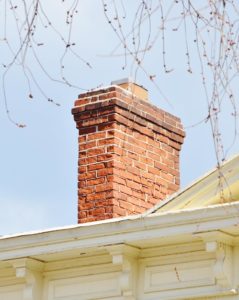 If you’re working with a REALTOR or lender, then they might have already mentioned a home inspection. However, if your property is under contract, then you likely have a home inspection already scheduled. If your home has a chimney, however, it’s important to schedule a chimney inspection by a certified professional. A home inspection determines if the interior and exterior of the chimney are sound and the structure is “plumb”. A real estate chimney inspection checks out the chimney from top to bottom thoroughly to ensure structural soundness and it’s working properly. In the industry, this inspection is called a level two inspection, required when properties are sold or transferred.
For a real estate inspection, a chimney professional will take a look the following:
- All accessible portions of the chimney interior and exterior
- Chimney access by way of attic, crawlspace, and basement
- Inspection of connections, working parts, firebox, and interior/exterior fixtures
- A video scan of the flue interior
After your inspection, you should receive a written report from your chimney sweep, include photos and video footage. Once the chimney is assessed, any damage or repairs can be added to your real estate disclosures. If you’re the buyer, you can add stipulations to the contract for the sellers to complete the repairs.
Your New Chimney
A new home purchase is something to celebrate. The last thing you want is for the joy of the occasion to be clouded by the realization that your new fireplace isn’t safe to use. If your home inspector gives your chimney a clean bill of health, and you go ahead with your purchase without scheduling a chimney inspection, you may find that your chimney is actually a hazard.
Scheduling chimney sweeps and inspections on a regular basis keeps your systems safe and efficient. If you’ve never owned a home with a fire appliance or chimney system, no worries!
Call Hudson Chimney for your chimney needs
Contact Hudson Chimney and we’ll complete your real estate inspection. We offer a report, make a repair plan, and can take care of all your comprehensive chimney care needs. Our team members are CSIA certified, and we have been serving the Jacksonville area for over 30 years. We work with REALTORs, lenders, property managers, and real estate attorneys to bring prospective home buyers the safest and most comfortable fireplaces in their new homes. Reach Hudson Chimney at 904-282-4159, and schedule your real estate inspection today.