by Mark Hudson | Nov 22, 2013 | chimney maintenance
Your chimney is potentially one of the most taken-for-granted parts of your home. You know it’s there but rarely pay it very much attention. It’s one of those things that you expect to be there for you when you need it but may not give it much thought in the meantime. Not very many homeowners give much thought to keeping the chimney’s exterior in tiptop shape; “it’s all just cosmetic,” we think. This thought process isn’t one to be ashamed of, but it is one to be corrected.
Chimney materials – brick and mortar – are, by nature, porous. As such, they experience hastened deterioration as a result of prolonged exposure to and contact with water and the elements. The freezing and thawing process—during which time water that has penetrated the various chimney materials freezes and expands—quickly deteriorates the overall construction of your chimney.

Water is corrosive to masonry over time. Preventing water from getting into your chimney is critical to optimal performance and safety.
One way to limit the impact the freezing and thawing cycle has on your chimney is to prevent as much water as possible from penetrating the materials as possible. Water in your chimney can also cause rust on steel and cast iron parts, ultimately weakening or destroying them over time. The exterior of your chimney is constantly getting battered from the weather. Harsh weather conditions can have a negative effect on your chimney.
By waterproofing the chimney, it will repel up to 99.9% of the water that would otherwise penetrate the brick and/or other materials. Waterproofing is a true preventative measure that can add years to your chimney’s life. Because it’s not a requirement, many homeowners deprioritize it; this is a big mistake! There are many issues that can develop as a result of water being on and getting in to your chimney, and, as such, swift and immediate action should be taken to ensure that you’re not faced with unnecessary and avoidable repairs bills.
Unless you simply want to get rid of your chimney sooner or later, there really is no excuse for not waterproofing it. This one simple thing can help ensure that both the water outside won’t enter your house through the chimney and that you are able to enjoy your fireplace for many years to come. It’s time to look at the condition your chimney’s exterior is in, get it repaired if necessary, and have it coated with a waterproofing product.
by Mark Hudson | Nov 18, 2013 | chimney maintenance
Chimney Inspections and What They Cover
It is highly recommended that homeowners have their chimneys inspected on an annual basis. Having a professional come in to look at the chimney is the best way to spot any potential hazards before they endanger the household. Before finding an certified sweep to do the job, it is important to understand exactly what should be included in an annual inspection.
One of the first things that a chimney inspector will look at is the structural integrity of the chimney itself. Over time, a chimney can become damaged or weak, especially if there is excessive exposure to rain and snow. They will make sure that the actual structure is still strong and does not pose any risks to the rest of the home.
When a certified chimney sweep does an inspection of your chimney, there are certain trouble spots that are always checked.
In addition to looking over the general structure of the chimney, the sweep will look at the individual parts. This will include an inspection of the flue liner and damper, among other important elements. They will be able to tell the homeowner whether any individual parts of their chimney require maintenance or repair. Remember, it is necessary for all parts of the chimney to be in good working condition in order for it to function safely.
A chimney professional will be able to tell whether there is a buildup of creosote in the chimney. Creosote is the substance left behind after treated wood and coal have been used for making a fire in the fireplace. It can pose a number of different risks, including internal illness and irritations to the skin and eyes. It is also highly flammable, so a home with a buildup of the material is at a greater risk for a chimney fire than those who have it inspected and cleaned.
During a chimney inspection, there may also be evidence of material clogging the chimney. In many cases, this is the result of animals that have made their home in the flue. A clogged chimney is a serious problem because it prevents smoke and gas from exiting the home the way they are supposed to. As a result, a chimney fire could ignite or the family inside of the home could become ill when they are exposed to the gasses.
It takes specialized training and experience to properly and thoroughly inspect a chimney. The Chimney Safety Institute of America is the organization that trains and certifies all qualified chimney technicians. It is necessary to only use a CSIA certified inspector in order to get the most reliable results. The CSIA website offers a useful tool to help find a qualified technician in the area.
To some homeowners, a chimney inspection just seems like an extra chore and an unnecessary expense. However, an annual inspection is the only way to make sure that the chimney is in good working condition and not putting the home at risk. Be sure to use a chimney inspector who has been trained and certified by the Chimney Safety Institute of America in order to get the best results.
by Mark Hudson | Oct 28, 2013 | chimney maintenance
With winter approaching homeowners are more inclined to want to use their chimneys, but before you go making sparks make sure you and your family are safe. When having a chimney, keeping it maintained is one of the most important things you can do. Hudson Chimney of Florida is here to meet all of your chimney sweeping and inspection needs!
When there is a blockage in your chimney or it becomes damaged, it can stop the air from escaping properly, allowing Carbon Monoxide and other harmful things to stay inside of your home. Carbon Monoxide is an odorless, colorless gas that is extremely toxic. Because it is so dangerous, it can lead to death before the victim is even aware that they are coming in contact with the substance. Small levels of exposure can lead to you feeling like you have the flu, causing symptoms such as headaches, dizziness, nausea, and fatigue. Depending on your age and how long you were exposed, the symptoms may be more severe.

Carbon monoxide exposure can be fatal, but it can start with symptoms such as dizziness or headaches.
There are numerous ways that Carbon Monoxide can build up. Everyday items, such as generators, vehicles, or even your chimney can be the start of the problem without you even thinking about it. Knowing how to use and keep you appliances properly repaired can cut back on the chance of a problem. If you are in a space that you sense Carbon Monoxide in the air, evacuate the room immediately. Turning off what you think is emitting the gas will stop from creating more, but the room or area will need the proper amount of time to filter out what is already there.
Today, you can install CO alarms in your home, so if levels start to rise you will be alerted. To properly use these, there should be multiple alarms on all levels of the home. Some can be connected so that when one sounds, they will all go off throughout the rest of the home. These are not to be used as smoke detectors as they are made to sense different things. Lastly, alarms only work as well as they are taken care of so make sure that they are tested and have replaced batteries regularly.
by Mark Hudson | Oct 10, 2013 | chimney maintenance, fire safety
Containing the Fire
When most people think about the common problems that a fireplace-owner faces most of them think about things like masonry cracks in the chimney, problems with the ventilation of smoke, and the need to have it swept out regularly. Unfortunately one thing that most people don’t think about is the deterioration of the firebox. In fact many people don’t even know what a firebox is. For those people let me explain. The firebox is the chamber in the fireplace that actually contains the fire itself. The interior walls and floor are what make up the firebox. As fires are burned the constant heating and cooling puts stress on the firebox and over time the entire thing will need to be replaced. If you find yourself at this point it is time to call a professional to come and perform the necessary work.
The first step in replacing the firebox is to determine the size and type. It is very important that the new firebox be of the same size and type as some fireplaces are designed for there to be a gap in between the box and the actual masonry behind it. Once this has been determined the panels need to be removed. This is best done with a screwdriver or chisel. Once all the panels have been removed your fireplace will be devoid of a firebox and thus unsafe to use until a new firebox is put in.
If you have a firebox that is a decade old or older it may be necessary to find a newer model that fits your fireplace as many from that long ago do not fit current industry standards of safety. A professional chimney sweep will be able to make this determination. Once a new firebox is purchased it will be installed. Many fireboxes will require a masonry cement pattern to be drawn onto the box to look like real masonry. It may take a few fires for it to gain the rustic fireplace look. Once the cement dries the fireplace should be ready to burn again and will probably burn even better than before.
It is important never to put off replacing your firebox. If your chimney sweep says that you need a replacement you may be only a few fires away from causing serious damage to your home. The firebox plays an important role in insulating the masonry from the heat of the fire and structural damage to your house is much more expensive and time consuming than replacing the firebox in your fireplace. So always have your chimney inspected and swept on a regular basis and if you get the dreaded news that it may be time to replace your firebox go ahead and do it. You will be saving yourself a lot of time, trouble, and money in the long run.
by Mark Hudson | Aug 22, 2013 | chimney maintenance, fire safety
What to Do When You Smell Chimney Odors
Having a chimney can be a great addition to a home but the smells they sometimes emit can be extremely unpleasant. There are many different things that may cause chimney odors, from animals living within the chimney to creosote that has built up on the chimney walls. Whatever the cause, there are a few things that every homeowner should do if they notice a strange and unpleasant odor coming from their chimney. Anything that can cause an odor can be identified with an inspection.
As soon as noticeable odors start coming from the chimney, it is important to stop using the chimney immediately. There are some causes of chimney odors, such as creosote, that can actually cause a fire hazard in addition to a smell. Until the cause of the odor has been determined, it is best to avoid the risk of a flame getting out of control by ceasing to use the fireplace at all. In many cases, the problem will have a quick fix and a fire can be enjoyed again soon.
Chimney odors can be caused by several different sources. An inspection can help you identify the problem.
The next step is to do a basic cleaning of the fireplace and the surrounding area. For example, make sure that there is not any excess ash or debris inside of the fireplace. A small amount of ash is fine for purposes of insulation, but too much can be dangerous as well as unpleasant. In addition, debris could be an indicator of what is causing the issue. For example, moisture could cause a smell but it could also cause brick and clay to fall from the chimney.
If a smell starts coming from the chimney, stop and look at what is being burned in the fireplace. Only material that is intended for the fireplace, such as coal or properly seasoned wood, should be used to make a fire. Burning other material may be the source of the smell that comes from the fireplace or chimney. Not only will it smell bad, but this could also cause potential damage to the chimney as well as a dangerous flame.
There are a few simple habits that every homeowner should establish in order to keep their chimney from producing unwanted odors. Perhaps the most important is making sure that the damper is closed when the fireplace is not in use. This prevents normal chimney odors from blowing into the house and through the air of the living space. This is a simple fix that may take care of unwanted odors for good.
If the problem is not immediately apparent or if it requires a thorough cleaning of the chimney, it is important to call a professional chimney sweep. A chimney sweep will have the tools and the know how to take care of the issue quickly, safely, and efficiently. Trying to clean the chimney can be dangerous for an inexperienced person, both because of potential animals or chemicals and because of the necessity to climb on the roof. To avoid the problem in the first place, consider having an annual cleaning by a chimney sweep.
If there is an unpleasant smell coming from the chimney, the safety of the home and everyone in it should be the first priority. Until the cause of the odor can be determined and fixed, stop using the fireplace and chimney immediately. The problem may require a simple solution, such as closing the damper, or it may be more complicated. In this case, contact a professional chimney sweep instead of attempting to make it a DIY project.
by Mark Hudson | Jul 15, 2013 | chimney maintenance, fire safety, fireplaces
There are few things more pleasurable than coming in from the cold and building a roaring fire. In order to fully enjoy your fireplace, it is important to keep in mind the maintenance that keeps you safe and warm. Hiring a certified chimney sweep to inspect your heating system once a year is critical. This will remove the worries from your mind. After all, you have enough worries!
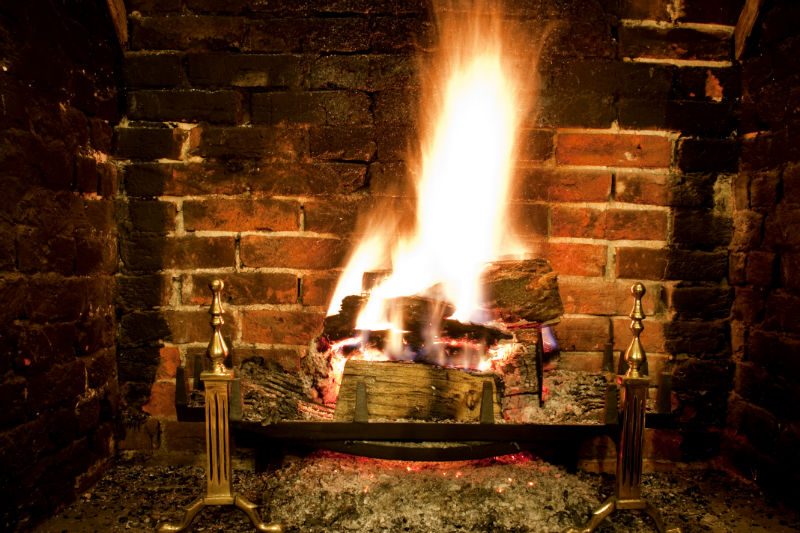
Crackling Fire – Jacksonville FL – Hudson Chimney
Why shell out hard-earned money to hire a sweep? There are many reasons; but they mainly are the same reasons you’d take a car that wasn’t running properly to a mechanic. By the time there is a problem with your car, it is sometimes more costly and can endanger your safety. Sweeps, like mechanics can see things you don’t notice. And a set of professional eyes on your chimney may see smaller problems before they become costly repairs. Some of the things your sweep will be looking for are:
- “Puffy” or “honey combed” creosote
- Distorted metal of the damper, metal smoke chamber connector pipe or factory-built metal chimney
- Cracked or malformed flue tiles.
- Discolored and/or damaged rain cap
- Heat-damaged TV antenna attached to the chimney
- Creosote flecks and pieces on the roof or ground
- Roofing material broken from hot creosote
- Fissures in exterior masonry
- Evidence of smoke escaping through mortar joints of masonry.
Here are 5 tips for how to best keep your system safe and efficient:
- Have a certified chimney sweep or city-paid building inspector look at your whole system.
- Have your chimney professionally cleaned and inspected.
- Do everything you can to prevent water from entering the system. Water can cause damage to the structural integrity of your chimney and increase the odds of a chimney fire.
- Keep your eyes and ears open and if you smell an odor, this could indicate a blockage in your chimney or excess creosote.
- Learn as much as you can about creosote. The Chimney Safety Institute of America also provides a great deal of useful information for homeowners.